FOLK MAGIC
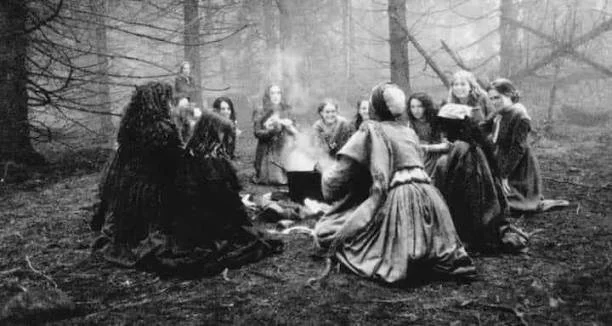
The wise woman & the magic of the everyday
Not all magical history happened in temples.
Much of it lived in kitchens, gardens, fields, forests, bedrooms, and village homes.
For generations, people passed down practical and spiritual knowledge through families and communities. Long before many traditions were written down, people learned through observation, experience, storytelling, and repetition.
This is part of what we now call folk magic.
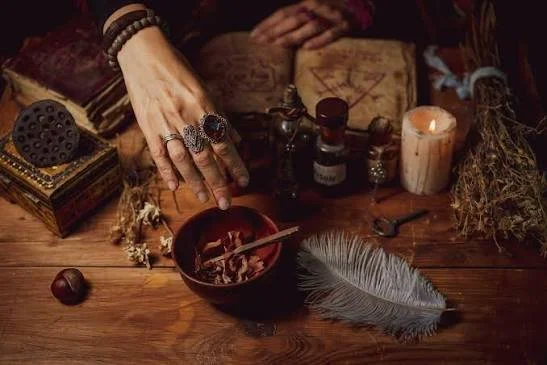
A Tradition Without One Home
Folk magic doesn't come from one country or one spiritual tradition.
Forms of folk magic developed all over the world, shaped by local landscapes, religions, cultures, and the needs of everyday people.
Across Europe, different traditions developed in places including the British Isles, Ireland, Scandinavia, Germany, France, Italy, Eastern Europe, and the Mediterranean. Each region had its own customs, plants, protective practices, seasonal traditions, charms, superstitions, and stories.
And folk magic certainly wasn't limited to Europe.
Traditional magical and spiritual practices developed throughout Africa, Asia, the Middle East, the Americas, and Indigenous cultures around the world. These traditions are incredibly diverse and shouldn't be treated as one universal system.
The practices we explore in Magic School will lean primarily toward the European and Western magical traditions that influenced much of the modern witchcraft, herbal, seasonal, and folk-magic imagery many of us encounter today.
But it's important to remember that these are only part of a much larger human history.
The Knowledge of the Wise Woman
The figure we often call the wise woman represents a long history of women who held knowledge about plants, food, childbirth, household remedies, seasonal customs, death, birth, and community care.
Some were healers.
Some were midwives.
Some worked with herbs.
Some were the person in the community who knew what to do when something went wrong.
And much of this knowledge was practical as well as spiritual.
A plant might be used because someone had learned through experience what it could do.
That same plant might also become associated with protection, love, cleansing, prosperity, or healing.
The physical and symbolic worlds often overlapped.
Magic Close to Home
Folk magic frequently grew out of the things people already had around them.
Herbs.
Salt.
Bread.
Eggs.
Candles.
Thread.
Water.
Wood.
Flowers.
Stones.
The home itself could become a magical space.
A bundle of herbs might be hung near a doorway.
Salt might be used for protection.
A candle might mark a prayer or intention.
A plant might be gathered at a particular time of year.
A charm might be tucked into clothing or placed near a bed.
These practices weren't necessarily elaborate.
Often, they were small actions woven into ordinary life.
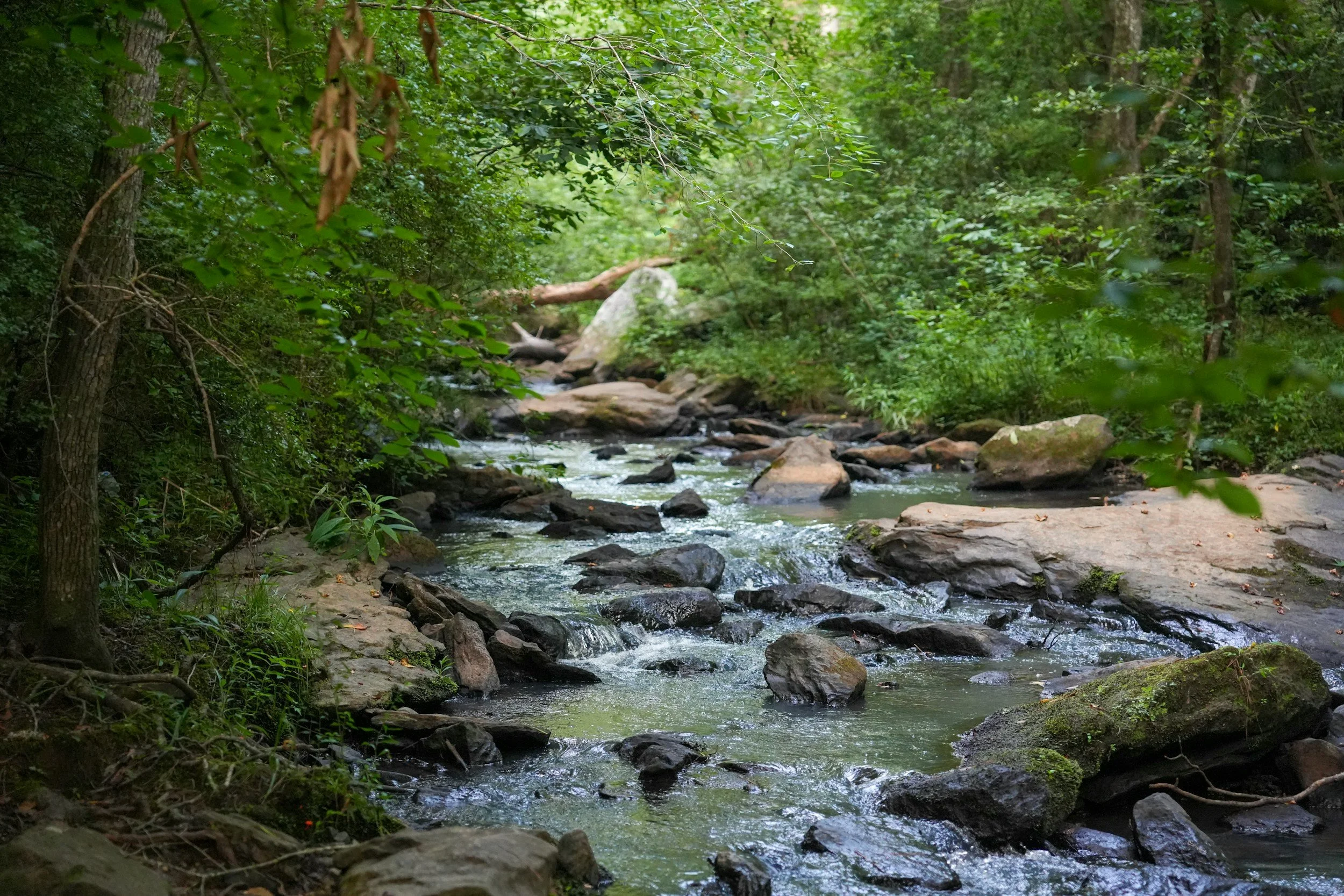
The Land Shaped the Magic
This is one of the most beautiful things about folk traditions:
the landscape mattered.
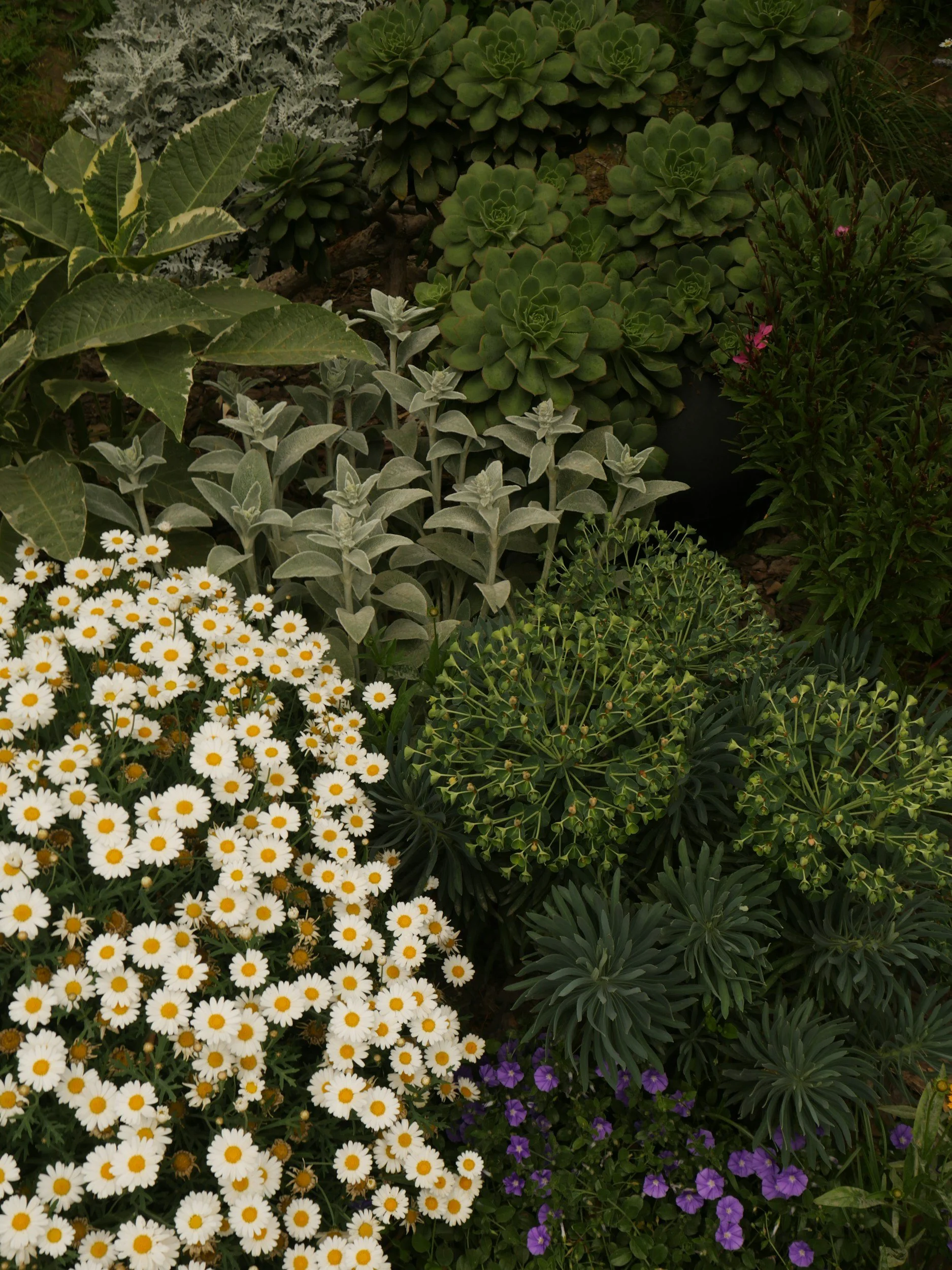
People worked with what grew around them.
Coastal communities had different plants, animals, weather, and traditions than mountain communities.
People living in forests developed relationships with trees and woodland plants.
Farmers watched the weather, moon, sun, and seasons because their lives depended on them.
The local landscape became part of the spiritual landscape.
This is why folk magic can look so different from one place to another.
There isn't one universal list of magical herbs, colors, symbols, or rituals.
There are local relationships and traditions.
Passed From Person to Person
One reason folk magic can be difficult to trace historically is that much of it was oral.
It wasn't always written down.
A grandmother taught a granddaughter.
A neighbor shared a remedy.
A farmer passed along a seasonal custom.
A community repeated a practice year after year.
A particular tradition might change slightly every time it was passed on.
This means there isn't one authoritative version of folk magic.
There are many.
And some traditions have survived while others have disappeared.
Folk Magic & Religion
Folk magic also wasn't always separate from religion.
People might pray to a saint while using an herbal remedy.
Mark a Christian holiday while continuing an older seasonal custom.
Carry a protective charm while also participating in church life.
In many places, older customs blended with newer religious traditions over time.
This blending is one reason magical history can be difficult to divide into neat categories.
The world wasn't always divided into religion over here and magic over there.
For many people, it was simply part of life.
The Woman in the Woods
The image of the wise woman eventually became tangled with another figure: the witch.
But these words haven't always meant the same thing.
A healer, herbalist, midwife, cunning person, witch, and modern practitioner are not automatically interchangeable.
History is much more complicated than the images we see in movies.
And that brings us to one of the darker chapters in the history of witchcraft.
THINGS TO KNOW
Folk magic developed independently in many regions and cultures around the world.
European folk traditions vary greatly by region and landscape.
The folk traditions most familiar to modern Western witchcraft come largely from European and later American sources.
Much folk knowledge was practical, seasonal, local, and passed down orally.
Folk magic and organized religion often existed alongside one another.
There is no single universal system of folk magic.
A MOMENT TO CONSIDER
What grows where you live?
What plants, seasons, weather patterns, animals, or natural places are part of your everyday landscape?
If you were creating a magical practice based only on the world immediately around you, what would you work with?
EXPLORE FURTHER
Choose one plant, tree, herb, or natural object that grows where you live.
Learn its practical history first.
Then explore the folklore and symbolism that developed around it.
Notice what is actually documented, what is tradition, and what is modern interpretation.
That distinction is part of magical discernment.
Sometimes the oldest magic is simply the knowledge we remember.