MODERN MAGIC REVIVAL
FROM OLD STORIES TO THE PRACTICE WE KNOW TODAY
If we have learned anything from the history of magic so far, it is that magic has never been one single thing.
It has changed with geography, religion, culture, landscape, and time.
Some practices disappeared.
Some were passed down.
Some were written about by outsiders.
Some were rediscovered.
And some were created much more recently.
The magical world we step into today is a beautiful mixture of all of these things.
LOOKING BACKWARD
During the 19th and early 20th centuries, interest in magic, folklore, mythology, astrology, spiritualism, ancient religions, and the occult began growing throughout Europe and North America.
People became fascinated with what they believed had been lost.
Ancient Egypt.
Greek and Roman mythology.
Celtic folklore.
Alchemy.
Hermeticism.
Tarot.
Astrology.
Herbal traditions.
Ceremonial magic.
People collected old stories and manuscripts, studied ancient symbols, formed magical societies, and tried to reconstruct or reinterpret older traditions.
Some of what they found was historically accurate.
Some was misunderstood.
Some was romanticized.
And some was newly created while being presented as something ancient.
This is important to remember when we encounter magical history today.
Old-looking does not always mean old.
THE OCCULT REVIVAL
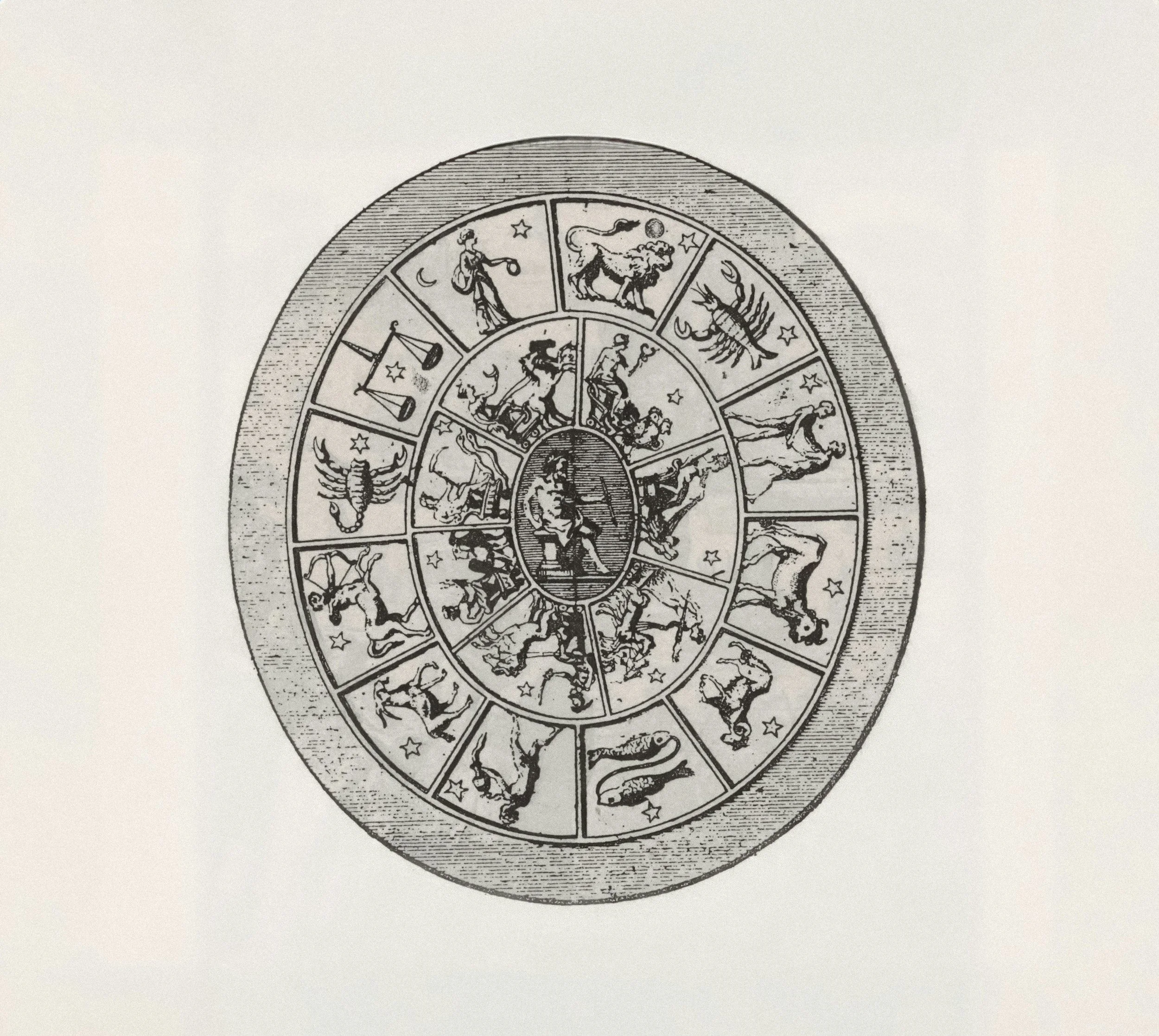
The late 19th century saw the growth of what is often called the Occult Revival.
Organizations such as the Hermetic Order of the Golden Dawn explored ceremonial magic, astrology, tarot, Kabbalah, symbolism, ritual, and other esoteric traditions.
This period had a major influence on the Western magical traditions that followed.
Tarot, for example, had existed as a card game for centuries before becoming strongly associated with occult symbolism and divination in the modern era.
The meaning we often associate with tarot today is therefore part of a much longer and more complicated story.
Magic was being reimagined.
WICCA & MODERN WITCHCRAFT
In the mid-20th century, Wicca emerged in Britain and became one of the most influential modern forms of witchcraft.
Gerald Gardner is one of the central figures associated with its early development.
Wicca drew from a mixture of sources, including ceremonial magic, folklore, mythology, modern ideas about pre-Christian religion, and ritual practices.
Over time, many different traditions and interpretations developed.
This distinction matters:
Wicca is a modern religion.
It is not simply another word for ancient paganism.
And it is not synonymous with every form of witchcraft.
The words witchcraft, paganism, Wicca, occultism, and folk magic can overlap, but they describe different things.
Understanding that difference allows us to explore these traditions with more respect and less confusion.
THE MODERN WITCH
As witchcraft entered the modern world, the image of the witch changed.
She became more than someone feared or accused.
She became a symbol of:
independence
nature
intuition
mystery
knowledge
feminine power
personal sovereignty
For some people, being a witch is a religious identity.
For others, it is a spiritual practice.
For others, it simply means working intentionally with nature, symbolism, ritual, intuition, and personal meaning.
There is no single modern definition.

MAGIC IN THE MODERN WORLD
Today, magical practices are more accessible than they have ever been.
We can study tarot from our phones.
Learn about herbs from people across the world.
Follow the moon.
Explore astrology.
Buy crystals.
Create altars.
Practice meditation.
Learn about folklore.
Take classes.
Join communities.
And find traditions that our ancestors may never have encountered.
The internet has opened an enormous door.
But an open door also means discernment becomes important.
Not everything labeled “ancient” is ancient.
Not every correspondence is universal.
Not every ritual comes from an old tradition.
Not every spiritual claim is historically documented.
And not every practice has to be right for you.
YOUR MAGIC DOESN'T HAVE TO LOOK LIKE ANYONE ELSE'S
This is where I want Magic School to begin moving away from history and toward you.
You don't need a huge collection of crystals.
You don't need a perfect altar.
You don't need to memorize hundreds of correspondences.
You don't need to identify as a witch.
You don't need to believe everything you encounter.
You don't even need to know exactly what you believe yet.
You can simply be curious.
You can notice.
You can learn.
You can experiment.
You can keep what feels meaningful and leave behind what doesn't.
Magic can be incredibly elaborate.
But it can also be incredibly simple.
A candle.
A cup of tea.
A walk outside.
A handful of herbs.
A journal.
A question.
A moment beneath the moon.
A decision made with intention.
Sometimes the most meaningful practices are the ones that bring us back into relationship with our own lives.
WHERE WE ARE NOW
This is the landscape we are stepping into together.
We have looked at Heka and ancient Egypt.
We explored Greek gods, oracles, crossroads, and divination.
We saw how the Romans looked to omens, astrology, and everyday magical practices.
We explored folk magic, the wise woman, and the knowledge of the land.
We looked honestly at witchcraft and the witch trials, separating history from modern mythology.
And now we've arrived here.
The modern magical world.
A world built from layers.
Some ancient.
Some reconstructed.
Some inherited.
Some reinvented.
Some deeply personal.
And now it's your turn to begin discovering what magic means to you.
THINGS TO KNOW
Modern magical practice comes from many different historical and cultural influences.
The 19th and 20th centuries saw a major revival of interest in occultism, folklore, mythology, and magic.
Wicca emerged as a modern religious tradition in the 20th century.
Modern witchcraft can be religious, spiritual, secular, eclectic, or something entirely personal.
Not everything presented as “ancient magic” is historically ancient.
Discernment is just as important as curiosity.
A MOMENT TO CONSIDER
What brought you here?
What part of magic are you most curious about?
What do you want to understand more deeply?
And perhaps the most important question:
What does magic mean to you right now?
You don't need to have an answer.
Write whatever comes to you.
You are allowed to change your mind as you learn.
BEFORE WE MOVE ON
History gives us context.
But now we get to practice.
In the next section, we'll move from where magic came from into how we begin working with it.
We'll explore intention, attention, correspondences, the elements, ritual, sacred space, intuition, grounding, and ethics.
You don't have to believe everything.
You don't have to become anything.
Just begin by paying attention.
Magic is not about escaping the world.
It is about becoming more conscious of the world you are already living in.
And perhaps becoming a little more conscious of yourself within it.