ORIGINS OF LITHA
Litha is the name commonly used within modern Pagan and nature-based spiritual traditions for the Summer Solstice, the longest day and shortest night of the year. While the word "Litha" itself was recorded by the 8th-century English monk and scholar Bede as an Old English name associated with the midsummer season, many of the celebrations connected to this time of year are far older than the name itself.
Interestingly, in Bede's writings, the midsummer season was divided into two periods: Ærra Līða, meaning "Before Litha," and Æftera Līða, meaning "After Litha." The Summer Solstice fell between these two midsummer months. It was much later, through the development of modern Pagan traditions and the Wheel of the Year, that the name Litha became associated specifically with the Summer Solstice festival itself.
For thousands of years, cultures around the world have honored the Summer Solstice as a sacred turning point in the annual cycle. The sun's life-giving power was essential for agriculture, survival, and community well-being, making this a natural time for celebration, gratitude, and ceremony.
Ancient peoples observed the movement of the sun through monuments and sacred sites, many of which remain today. Structures such as Stonehenge are famously aligned with the rising sun on the Summer Solstice, demonstrating the significance of this celestial event long before modern calendars existed.
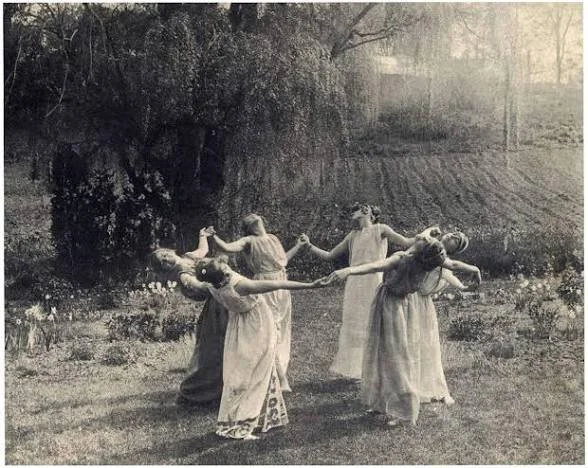
Throughout Europe, midsummer festivals often included feasting, music, dancing, bonfires, and community gatherings. Fire was seen as a symbol of the sun's strength and vitality. In Germany, France, and the British Isles, burning wheels were sometimes rolled down hillsides to symbolize the sun's journey through the sky and its gradual descent after reaching its peak. Courting couples would leap over bonfires together, believing the ritual would bring luck, fertility, and blessings.
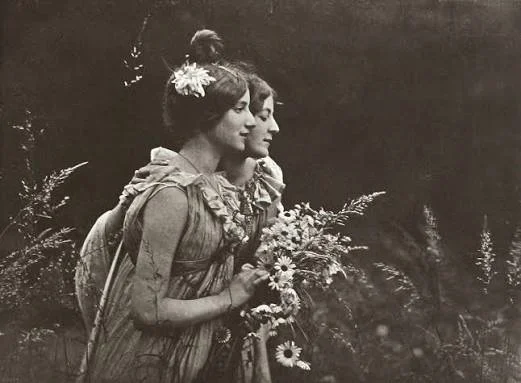
In Scandinavia, Midsummer became a beloved celebration of light, fertility, and nature's abundance. Communities gathered outdoors to feast on seasonal foods, sing, dance, and welcome the season's bounty. Floral crowns and bouquets made from wildflowers and herbs became cherished symbols of the celebration, honoring the beauty and vitality of the natural world. Bonfires were also lit to ward off spirits believed to roam more freely during this liminal time of year.
Many cultures gathered medicinal herbs at midsummer, believing they possessed heightened healing and protective qualities under the strength of the solstice sun. These traditions reflected a deep relationship with the land and an understanding of seasonal cycles.
Ancient peoples also honored gods and goddesses connected to the sun, fertility, and the rhythms of nature. Across many traditions, the Summer Solstice marked both a celebration of life at its fullest expression and an acknowledgment that the wheel of the year was beginning to turn once again.
Litha's fire carries a unique meaning among the seasonal festivals. Unlike the fires of spring, which ignite new beginnings, the Litha bonfire burns on the hilltop after the work of planting has been done. The sun has climbed as high as it can climb, illuminating the fields, the gardens, and all that has been nurtured into being. Litha is not a season of striving, but of recognition. It invites us to pause and witness what has taken root, to acknowledge the growth that has occurred, and to celebrate that what we have cared for is real, alive, and flourishing.
Today, Litha remains a celebration of light, abundance, community, and our connection to the natural world. Though modern practices may differ from ancient traditions, the spirit of honoring the sun, the earth, and the gifts of the season continues to endure.