WITCHCRAFT & THE WITCH TRIALS
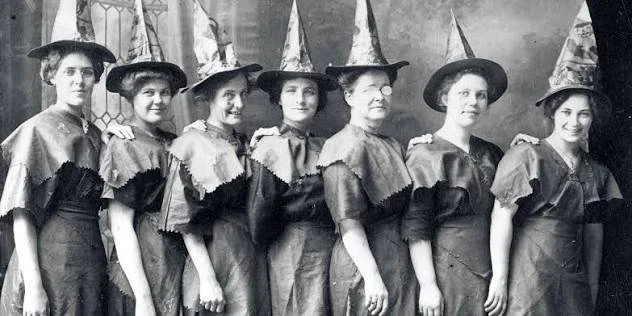
Fear, belief & the making of the modern witch
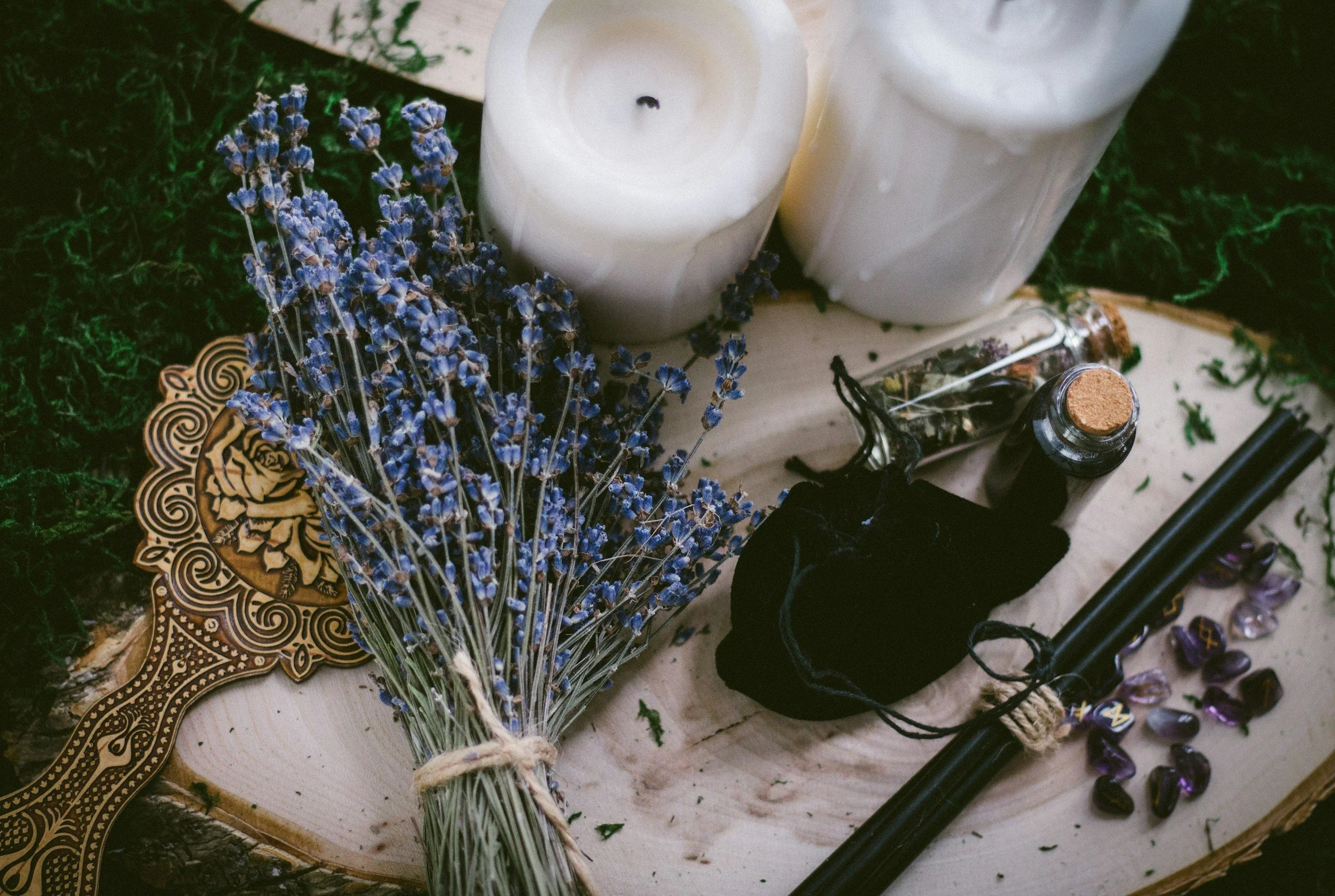
When we picture a witch today, we might imagine a woman in a black dress, a bundle of herbs, a tarot deck, a broom, candles, or a moon hanging overhead.
The image feels familiar.
But the historical story of the witch is much more complicated.
The word witch has carried very different meanings across different cultures and centuries. Sometimes it described a person believed to use supernatural powers to harm others. Sometimes it was an accusation placed on someone who was considered threatening, strange, or outside the accepted social order.
And much later, the witch became something entirely different:
A symbol of independence.
Nature.
Intuition.
Femininity.
Mystery.
Personal power.
To understand the modern witch, we have to understand the history that came before her.
WHAT WAS A WITCH?
There was never one universal definition of a witch.
In medieval and early modern Europe, people held a variety of beliefs about magic, spirits, healing, curses, and supernatural forces.
People could seek out cunning folk, healers, diviners, herbalists, or other practitioners for help.
At the same time, some communities feared that certain people were using supernatural powers to cause illness, death, crop failure, storms, infertility, or other misfortunes.
A person could therefore be viewed as a helpful healer in one context and accused of harmful magic in another.
The distinction between folk magic and witchcraft was not always clear.
And an important point:
Not everyone who practiced folk magic was accused of witchcraft, and not everyone accused of witchcraft actually practiced magic.
An accusation was not proof.
WHY DID PEOPLE BELIEVE IN WITCHCRAFT?
Belief in supernatural causes for misfortune existed long before the major European witch trials.
When something went wrong — a child became sick, animals died, crops failed, or a person suddenly became ill — people wanted an explanation.
Sometimes that explanation involved magic.
But witch accusations were also influenced by much larger social and religious forces.
During the late medieval and early modern periods, ideas about heresy, the devil, religious conformity, and supernatural threats became increasingly connected with accusations of witchcraft in parts of Europe.
This created a dangerous combination:
fear + belief + accusation + legal authority.
Once a community believed that someone was causing harm through supernatural means, the consequences could become very serious.
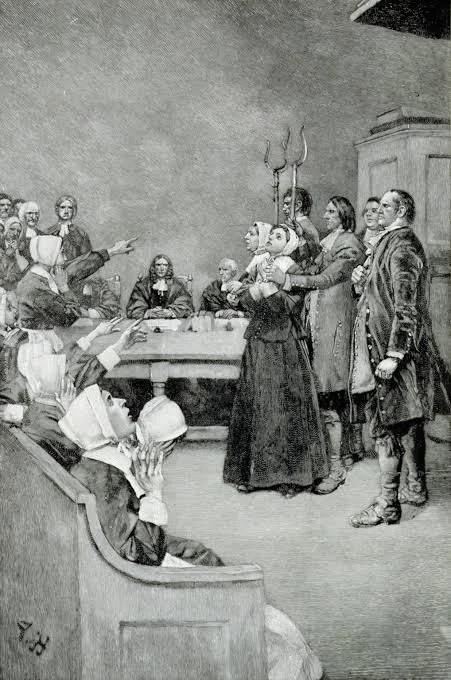
THE WITCH HUNTS
The major European witch hunts took place primarily from the 15th through the 18th centuries, with the greatest number of trials occurring during the late 16th and 17th centuries.
They did not happen everywhere equally.
Some regions experienced large numbers of trials while others had relatively few.
The legal systems involved varied, as did the reasons people were accused.
Across Europe, tens of thousands of people were prosecuted for witchcraft, and thousands were executed.
Women made up the majority of those accused and executed, although men were also accused and killed.
Accusations could grow from neighbor disputes, family tensions, economic conflicts, religious disagreements, illness, or fear.
In some cases, torture or intense interrogation produced confessions and accusations of additional people, allowing fear to spread through an entire community.
This is one reason it is important not to imagine the witch trials as simply a conflict between “witches” and the church.
They were complicated legal and social events involving communities, courts, governments, religious beliefs, and individual accusations.
THE SALEM WITCH TRIALS
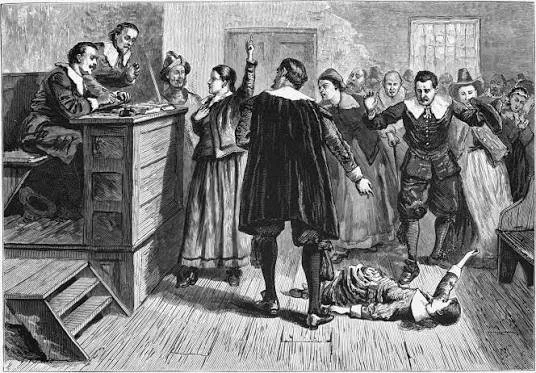
One of the most famous episodes in American history happened in Salem, Massachusetts, in 1692–1693.
It began when several young girls in Salem Village experienced unusual symptoms and accusations of witchcraft followed.
The accusations spread.
Neighbors accused neighbors.
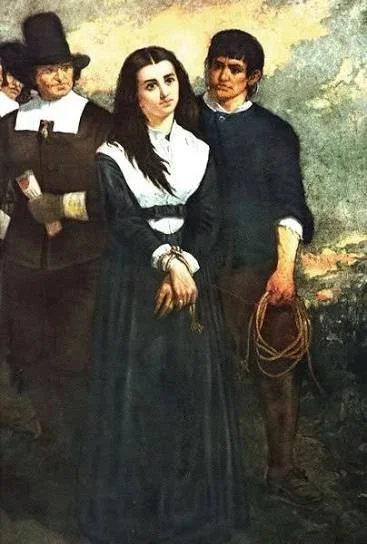
People were arrested and imprisoned.
Ultimately, 19 people were executed by hanging, and another man, Giles Corey, was pressed to death after refusing to enter a plea. Others died in prison.
The Salem trials eventually collapsed, and the colony later acknowledged that serious mistakes had been made.
Salem is now part of the cultural mythology of American witchcraft, but the actual history is much darker than the Halloween imagery that surrounds it.
These were real people whose lives were destroyed by accusation and fear.
THE “BURNING TIMES”
You may hear modern witchcraft communities use the phrase “the Burning Times” to describe a massive historical persecution of witches.
The persecution itself was real.
But some modern versions of the story greatly exaggerate the number of people killed, sometimes claiming that millions of witches were executed.
Historians do not support those numbers.
The historical record points to tens of thousands of prosecutions and thousands of executions across Europe over several centuries.
The truth is still devastating.
We don't need exaggerated numbers to make the history meaningful.
Accuracy matters because these were real people, living in real communities, experiencing real fear and violence.
THE WITCH AS A SYMBOL
So how did we get from the persecuted witch to the modern witch?
Over the 19th and 20th centuries, writers, artists, folklorists, occultists, and spiritual movements began looking back at folklore, mythology, pre-Christian religions, and the history of witchcraft.
The witch gradually began to be reimagined.
Instead of representing evil or danger, she could represent the person who knows.
The woman who listens to nature.
The herbalist.
The outsider.
The person who trusts her intuition.
The person who refuses to fit neatly into the expectations of society.
Modern witchcraft eventually developed into many different forms, including religious traditions such as Wicca as well as non-religious and eclectic magical practices.
These modern traditions are not simply unchanged versions of ancient European witchcraft.
They are part of a much longer process of revival, reconstruction, reinterpretation, and reinvention.
WHAT DO WE CARRY FORWARD?
This history gives us something important to consider as we begin our own magical practice.
We don't have to romanticize the past.
We don't have to believe every story about witches.
And we don't have to reject everything associated with the word because of its complicated history.
We can learn.
We can question.
We can separate documented history from folklore, modern symbolism, and personal belief.
And perhaps most importantly, we can remember the people behind the word.
The witch was not always a beautiful symbol on a tarot card.
Sometimes she was simply a person who lived in a village, knew about plants, had an argument with a neighbor, or became the explanation for something frightening that no one understood.
Understanding that history gives the modern witch more depth.
The witch we choose to become — if that is a word we choose at all — is something we get to define thoughtfully.
THINGS TO KNOW
“Witch” has had different meanings throughout history.
Folk magic, healing, and witchcraft were not automatically the same thing.
European witch trials occurred primarily between the 15th and 18th centuries.
Tens of thousands were prosecuted and thousands were executed.
Women were the majority of those accused and executed, but men were also targeted.
The Salem witch trials occurred in 1692–1693.
The popular claim that millions of witches were executed is not supported by historical evidence.
Modern witchcraft developed much later through a mixture of folklore, occultism, religious movements, reconstruction, and personal practice.
A MOMENT TO CONSIDER
When you hear the word witch, what comes to mind?
Where did that image come from?
And what would it mean to you to reclaim the word — or simply to leave it behind?
EXPLORE FURTHER
Look at the difference between:
Historical witchcraft
Folk magic
Wicca
Modern witchcraft
The cultural image of the witch
They overlap in interesting ways, but they are not the same thing.
We can honor the mystery without abandoning discernment.
We can learn from the past without rewriting it.
And we can decide what we want to carry forward.