
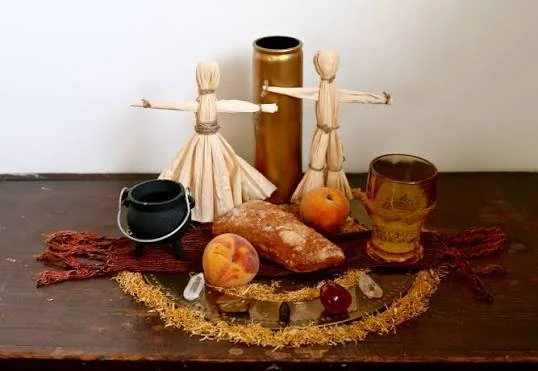
THE LAMMAS ALTAR
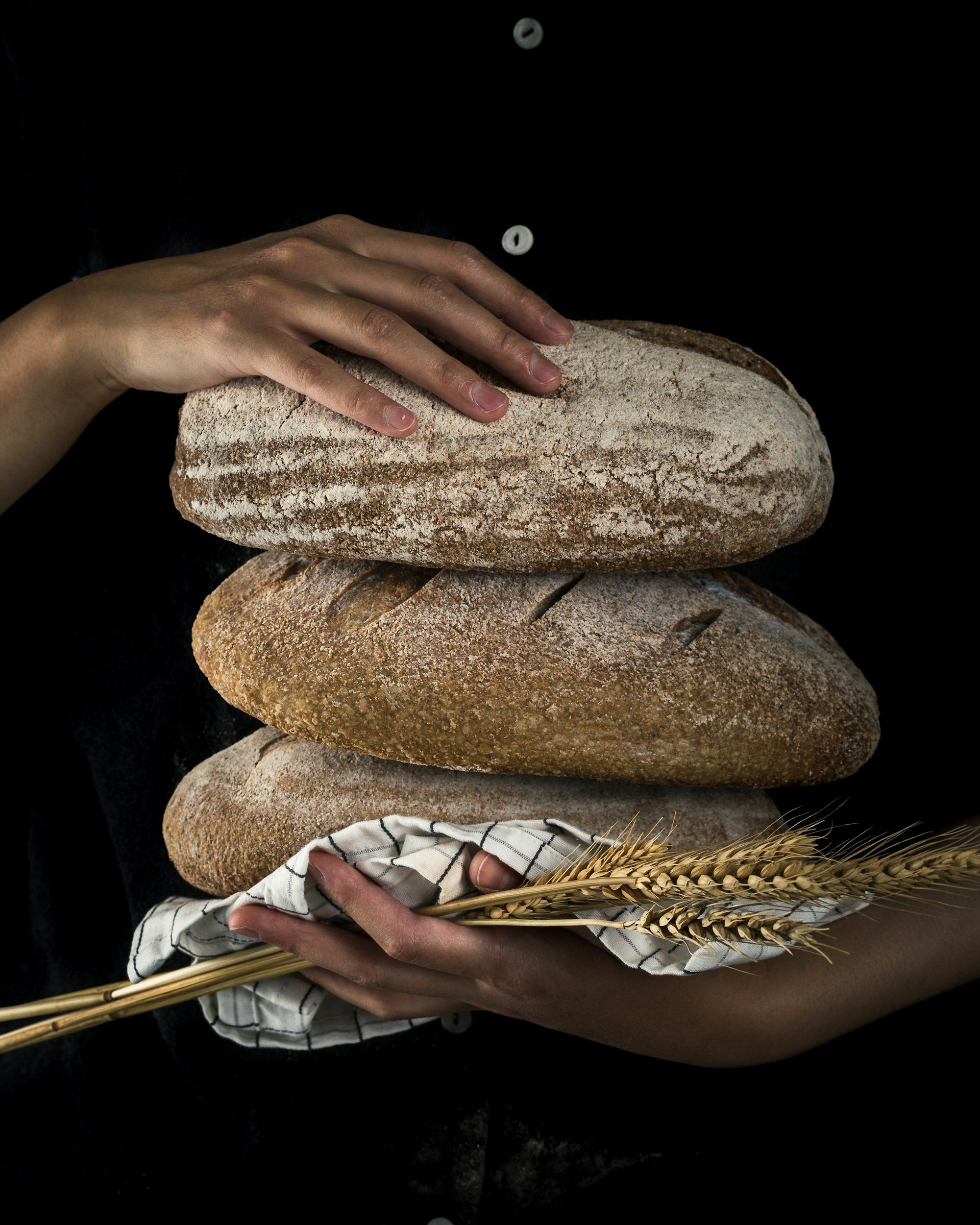
GRAIN + BREAD
Grain is the heart of a Lammas altar. A bundle of wheat tied with twine, standing upright or laid across your altar, anchors the space in the spirit of the first harvest. Use wheat you've grown, found at a farmers market, or purchased from a craft store—the intention is what matters.
A small loaf of bread belongs beside it, whether homemade or store-bought. Bread symbolizes transformation: wheat becomes flour, flour becomes bread. Before your meal, let the loaf rest on your altar as an offering of gratitude. Place it on a wooden cutting board or linen cloth to honor one of Lammas' most sacred symbols.
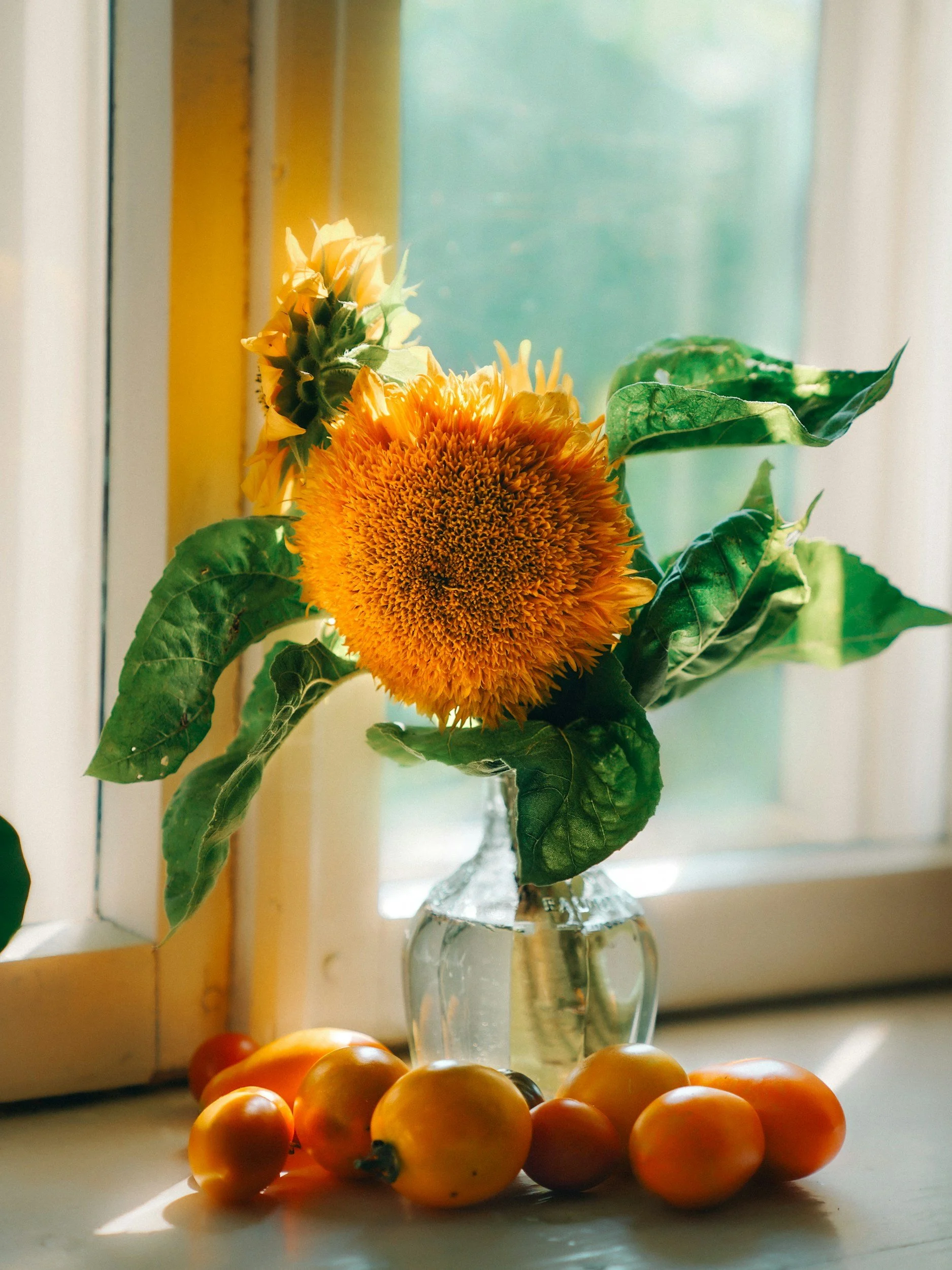
CRYSTALS + SYMBOLS
Choose crystals that reflect the abundance and warmth of Lammas. Carnelian anchors the altar with vitality, courage, and the energy to bring your work to completion. Citrine invites abundance and manifestation, Tiger's Eye offers discernment and steady action, Pyrite symbolizes earned prosperity, Moss Agate connects to the garden and earth, and Amber carries the grounding warmth of ancient sunlight.
Nestle your crystals among the grain or place them in an August sunlit window to charge.
Honor Lugh with symbols of his presence—a small spear, sun imagery, or a raven or crow feather. Complete your altar with a tool that represents your own craft: a pen, garden shears, paintbrush, tarot deck, or anything that reflects the work of your hands. Lammas reminds us that our greatest harvest is often the gifts we've cultivated within ourselves.
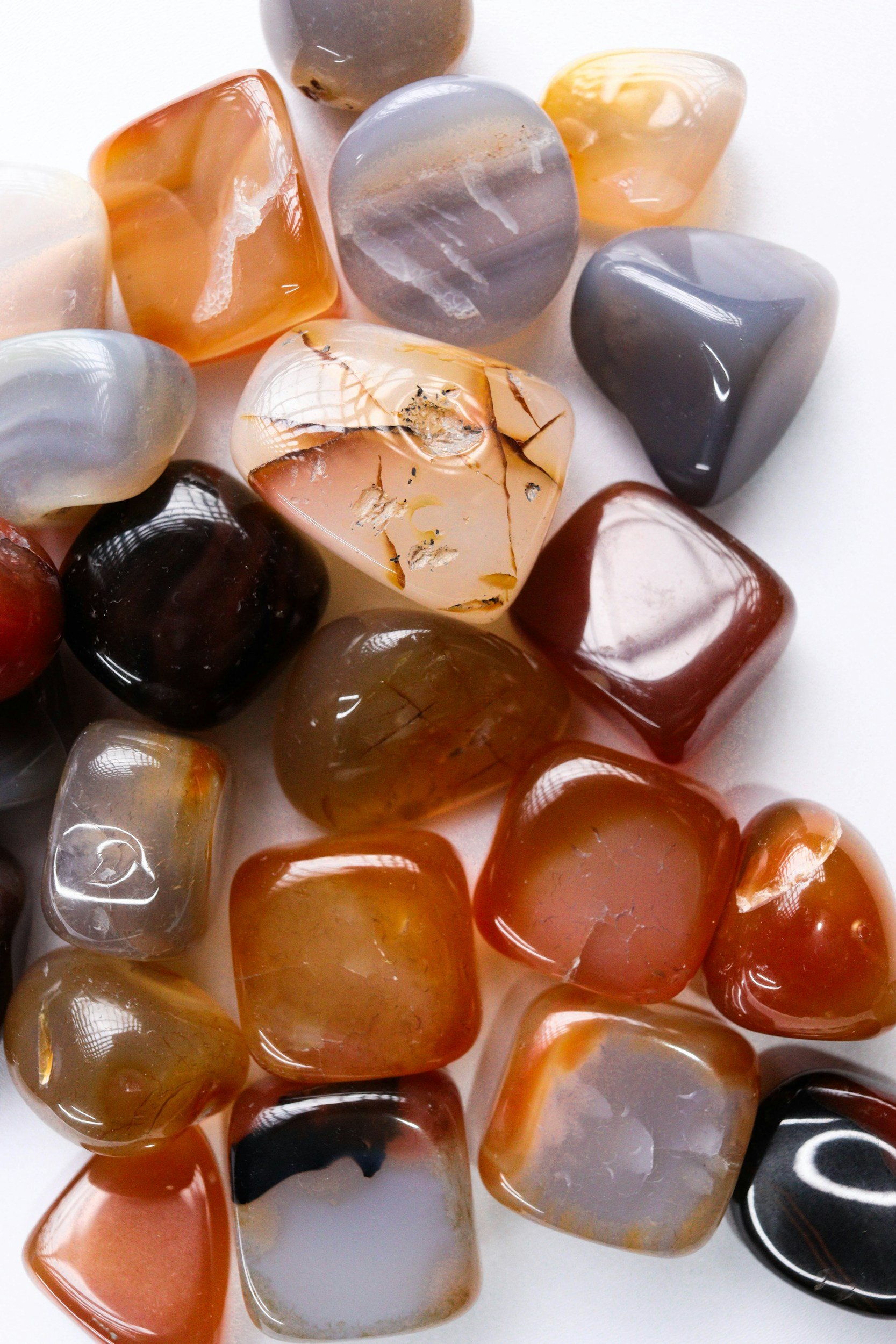
HERBS +
GARDEN HARVEST
Fill your altar with the abundance of late summer. Add tomatoes, blackberries, blueberries, zucchini, summer squash, early apples, peaches, plums, or ears of corn with the husks pulled back. Let it feel as though it was gathered straight from the garden—because Lammas reminds us that abundance is specific, tangible, and real.
Sunflowers are especially meaningful at this sabbat. While they symbolize the height of the sun at Litha, they now represent the harvest, their centers full of seeds ready to nourish what comes next.
Include fresh or dried bundles of seasonal herbs, choosing those that reflect the spirit of the season. Rosemary offers protection and remembrance, honoring Tailtiu's labor and the lineage of effort behind every harvest. Basil invites prosperity and abundance. Thyme brings courage and strength, echoing the resilience and skill of Lugh. Dill and fennel connect to the nourishing and digestive gifts of the harvest, while sage represents wisdom and purification. Bay laurel symbolizes victory, achievement, and prophetic vision. Burn a dried bay leaf on your altar as an offering of gratitude or to set an intention for the season ahead.
THE FEELING
When our altar is set up, step back and admire it. The feeling should feel full-like you just came in from the garden. Productive, grounded, warm. Work produced something real and you built a place to hold it.
THE ALTAR
TENDING THE ALTAR
The fresh produce will ripen, bread will go stale, herbs will dry—let them. This is a living record of the harvest. Replace what spoils if you feel called. Some things on your altar may be dried and can be used in the winter. What cannot be preserved can be offered to land.
ADDITIONAL OFFERINGS
Golden candles-honor Lugh as a solar diety. Corn dolly-holds the spirit of the harvest. Honey-symbolizes sweetness and preservation. Baskets-the woven element mirrors community interconnection.
THE KITCHEN
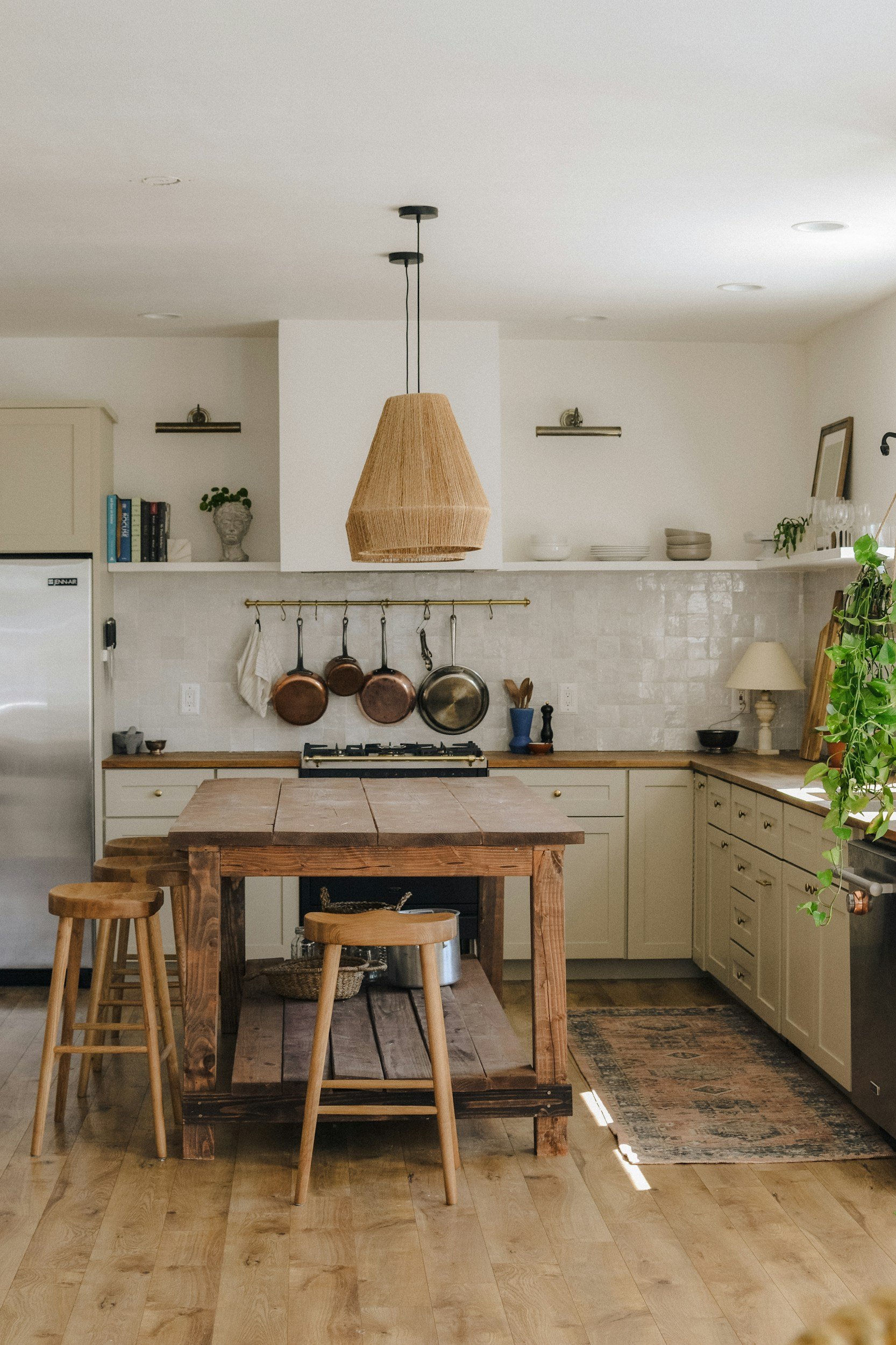
The heart of Lammas is often found in the kitchen, where the harvest is transformed into nourishment. Bake bread, dry herbs, preserve the season's abundance, can fresh produce, or prepare a meal with ingredients from your garden or local farmers market.
Before you begin, clean your workspace as an act of preparing sacred ground. Light a candle, play gentle music—or work in silence—and be fully present as you transform simple ingredients into something nourishing. At Lammas, even the everyday act of cooking becomes a sacred ritual.
THE GARDEN
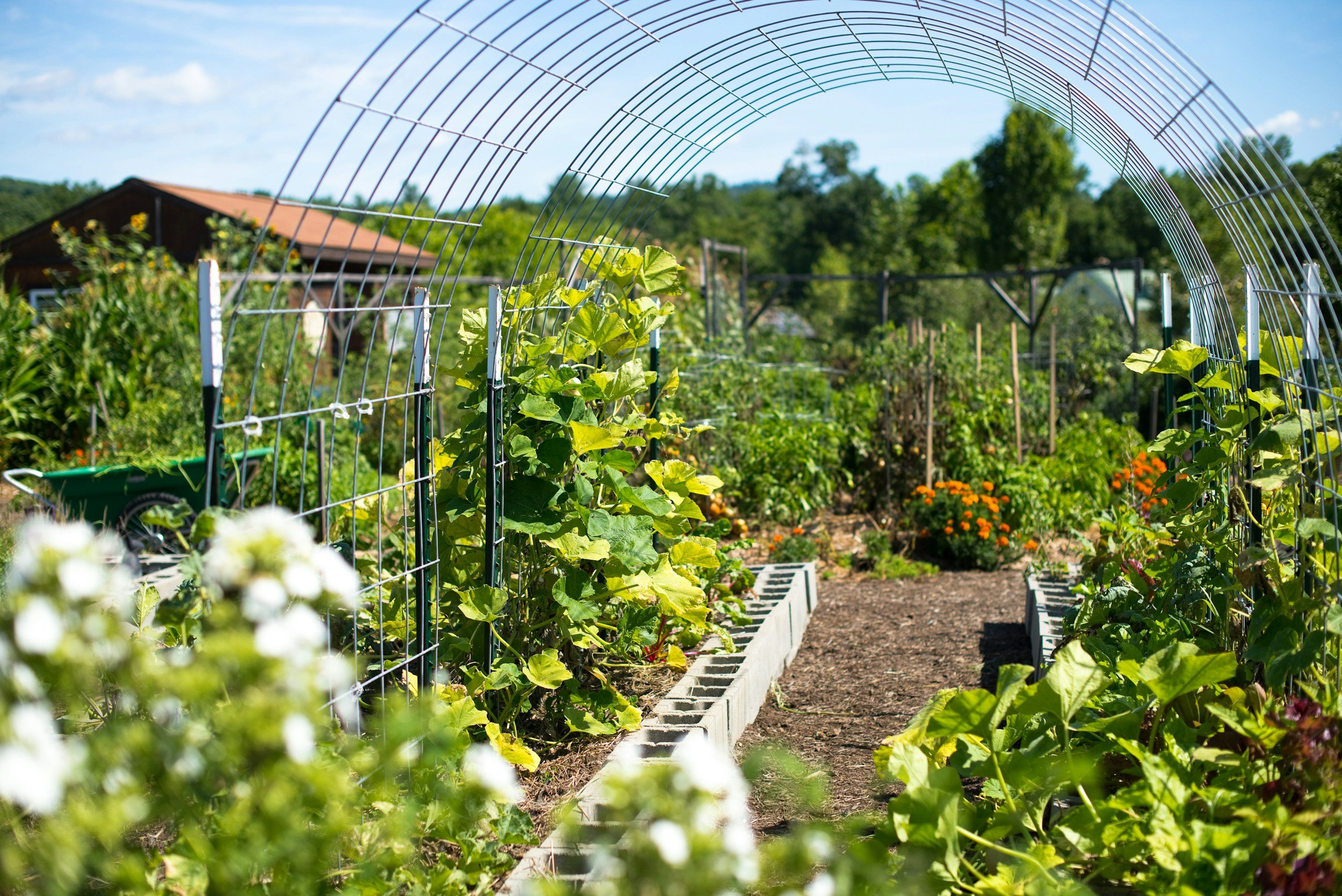
At Lammas, the garden becomes a place of gathering. Your relationship with it shifts—from tending what is growing to receiving what it is ready to give.
Before you begin harvesting, pause and take it all in. Notice what is ripe, what is still maturing, and what has passed its peak. If it is part of your practice, speak to your plants and offer your gratitude.
One of the oldest Lughnasadh traditions is returning the first of the harvest back to the land as an offering. Whether it's a tomato, a handful of herbs, or a few berries, leave the first gift in gratitude, honoring the earth that continues to nourish us.
THE TABLE
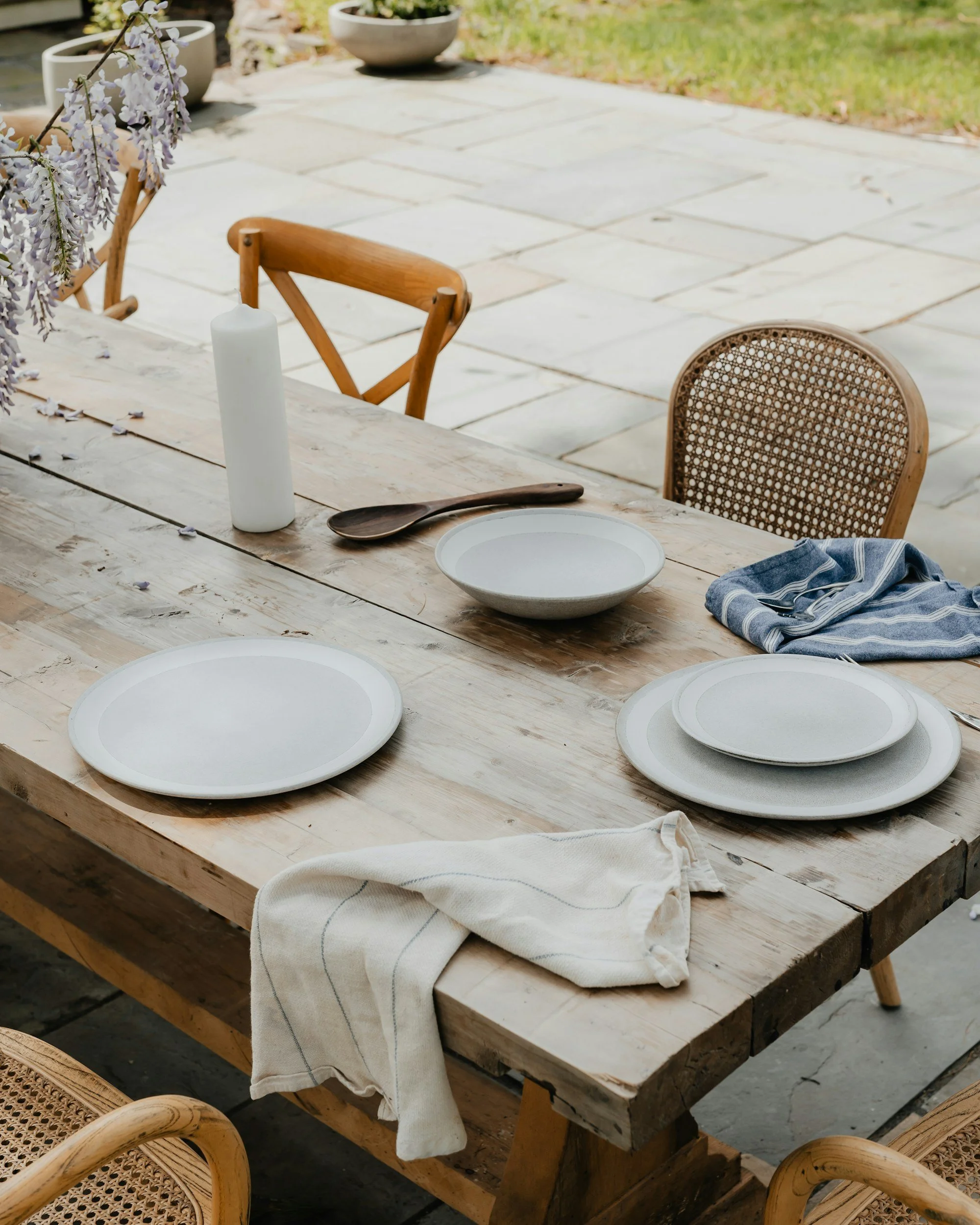
At Lammas, the dining table becomes sacred. This is where the ritual comes to completion—where the harvest is shared and received.
Set the table with intention. Use cloth napkins if you have them, place a loaf of bread at the center, and light a few candles. If possible, gather with family or friends and share a meal together. Slow down, linger in conversation, and give thanks for the food, the hands that prepared it, and the community gathered around the table.